Master Planning Cities for the Future: How Integrated Design Creates Thriving Urban Destinations
Master Planning Cities for the Future: How Integrated Design Creates Thriving Urban Destinations
Creating a successful city is about far more than designing individual buildings. The most vibrant urban environments emerge when architecture, infrastructure, public realm, sustainability, culture and commerce are considered as part of a single, cohesive vision.
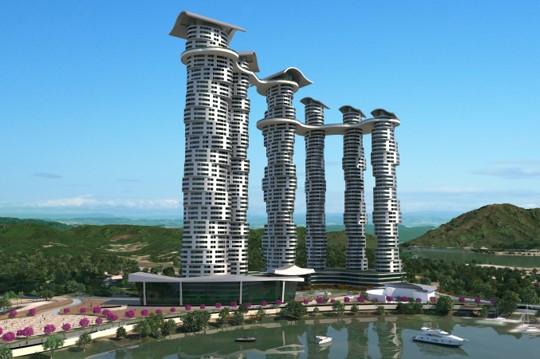
At Saloria Architects, our approach to master planning combines strategic thinking with architectural expertise to create places that are sustainable, commercially successful and designed around the needs of the people who will live, work and visit them. From large-scale urban districts to landmark waterfront developments, our work demonstrates how thoughtful master planning can transform land into thriving destinations.
The Power of Master Planning
Master planning is the process of shaping the long-term vision for a site, district or city. It establishes how different uses interact, how people move through spaces, how communities connect, and how future growth can be accommodated.
A successful masterplan must balance a wide range of considerations, including:
- Residential communities
- Commercial and business districts
- Hotels and hospitality facilities
- Cultural and educational institutions
- Public spaces and recreation
- Transport and infrastructure
- Environmental sustainability
- Economic development opportunities
When these elements are planned together from the outset, the result is a more connected, resilient and valuable urban environment.
Credits
Designing Cities Around People
One of the most important principles of contemporary master planning is creating places that prioritise people rather than vehicles.
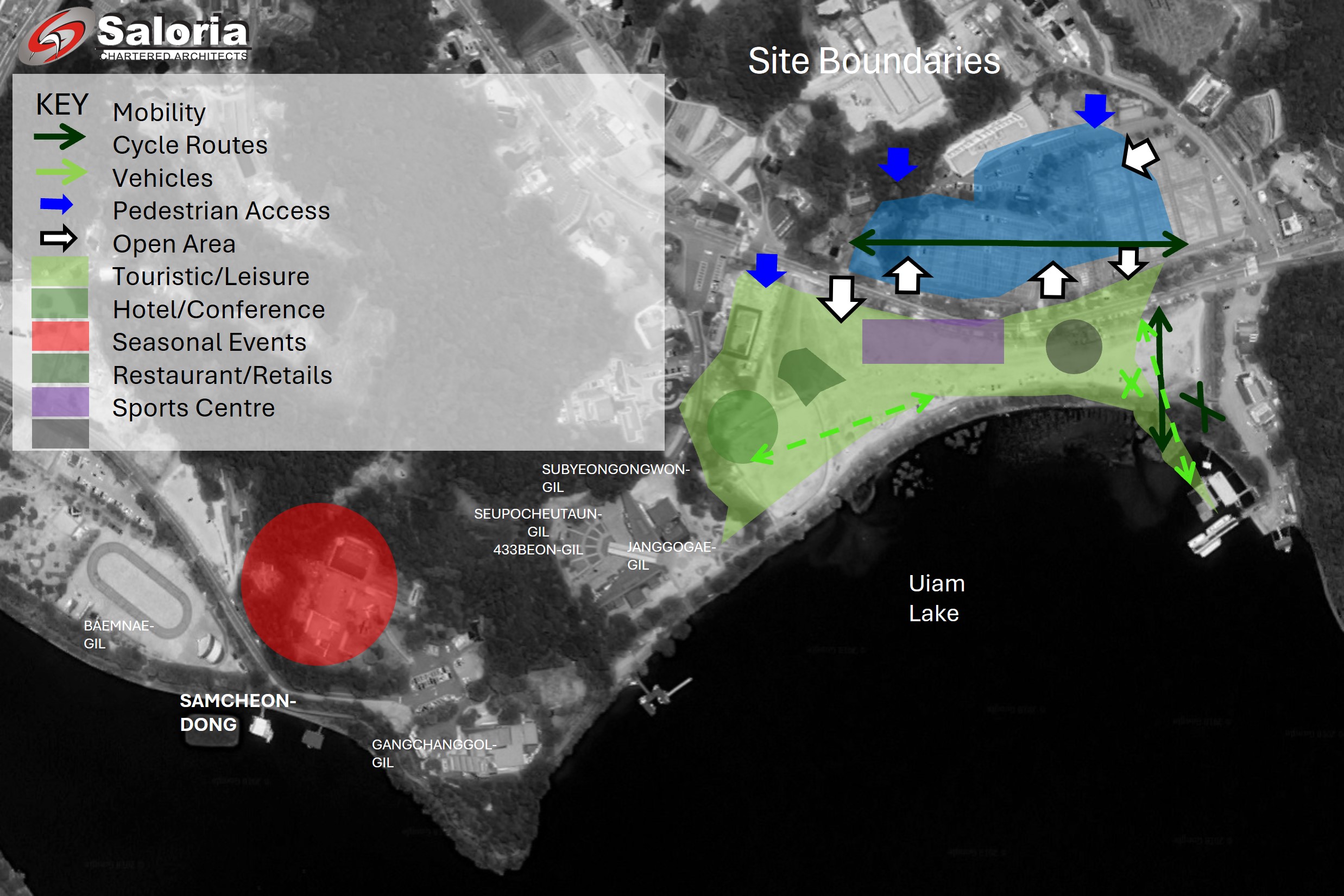
Our urban planning approach focuses on walkability, accessibility and connectivity. This means creating districts where residents and visitors can easily access homes, workplaces, leisure facilities, cultural attractions and public spaces through well-connected pedestrian and cycling networks.
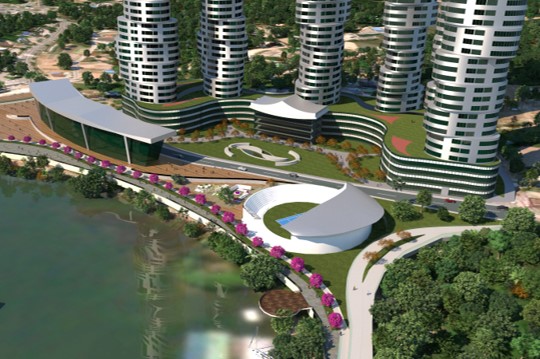
Public realm design plays a critical role in achieving this. Green corridors, waterfront promenades, landscaped public spaces and community facilities help create destinations that encourage social interaction while improving quality of life.
By carefully integrating movement strategies with public spaces, masterplans can foster stronger communities and healthier lifestyles while reducing environmental impact.
Supporting Communities Through Civic Infrastructure
Successful master planning extends beyond the built environment to include the civic and municipal infrastructure that enables communities to operate efficiently every day. Alongside homes, workplaces and public spaces, a well-designed masterplan should make provision for essential public services such as police and emergency facilities, waste management, street cleaning, local authority offices and community administration.
These civic functions form the backbone of a well-managed city, ensuring that residents and businesses benefit from safe, clean and well-maintained environments. In many European towns and cities, municipal buildings act as important civic hubs where residents can access local government services, engage with community initiatives and connect with those responsible for managing the area.
By integrating these facilities into the masterplan from the earliest stages, architects can create neighbourhoods that are not only attractive and commercially successful, but also practical, resilient and capable of supporting thriving communities for generations to come.
Integrating Landmark Destinations Within the Urban Fabric
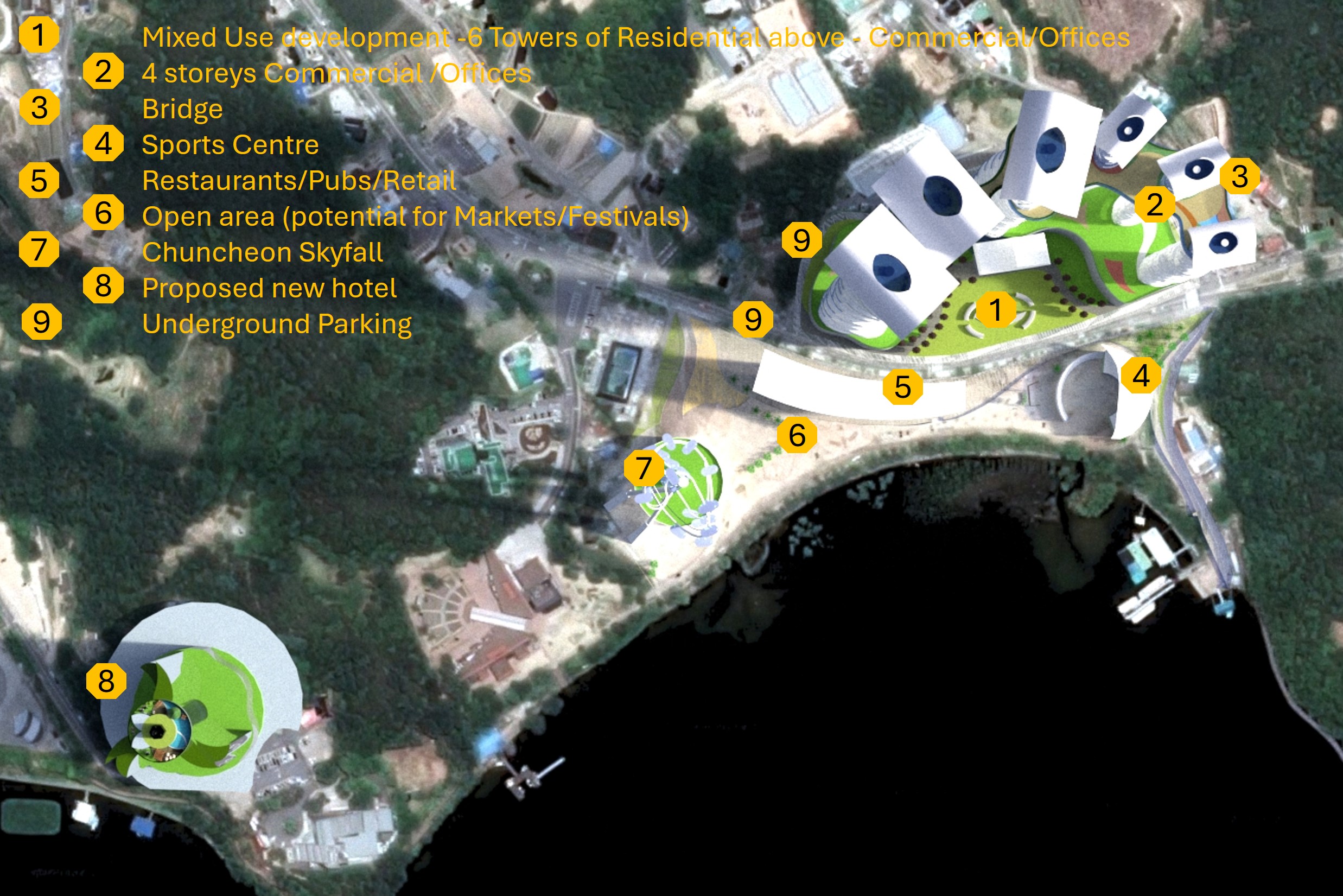
Large-scale urban developments often require a variety of complementary uses to create a truly successful destination.
Hotels, cultural venues, museums, educational institutions, residential neighbourhoods and commercial centres all contribute to the economic and social vitality of a city.
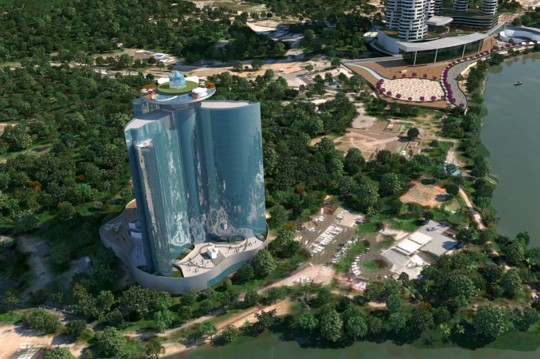
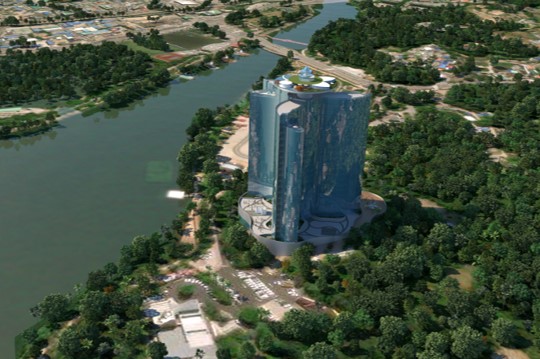
When master planned effectively, these facilities work together to create activity throughout the day and evening. A waterfront hotel may support tourism and business events, while a museum or cultural attraction strengthens civic identity and creates year-round visitor appeal. Commercial and retail areas provide employment opportunities and local services, while residential communities create long-term sustainability and vitality.
Rather than viewing these elements as standalone developments, our master planning approach considers how each component contributes to the wider urban ecosystem.
Sustainability at City Scale
The future of urban development depends on sustainable planning principles being embedded at every level of design.
Today, sustainability extends far beyond individual buildings. Modern masterplans must address energy generation, transport, water management, biodiversity, waste reduction and resource efficiency across entire districts.
Our approach incorporates:
- Passive design principles that reduce energy demand
- Renewable energy infrastructure
- Sustainable urban drainage systems
- Green and blue infrastructure networks
- Ecological protection and enhancement
- Low-carbon transport strategies
- Resource-efficient construction methods
By considering sustainability at a city-wide level, developments can significantly reduce environmental impact while improving resilience and long-term operational performance.
Learning from Natural Landscapes
Many of the world’s most successful masterplans take inspiration from the landscapes that surround them.
Whether drawing influence from coastlines, waterways, agricultural patterns or topography, the natural environment provides a powerful framework for urban design.
This approach creates places that feel rooted in their location rather than imposed upon it. Natural features can help shape movement routes, public spaces, development zones and landmark destinations while strengthening local identity.
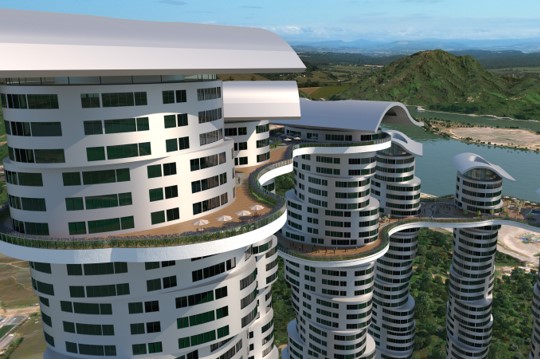
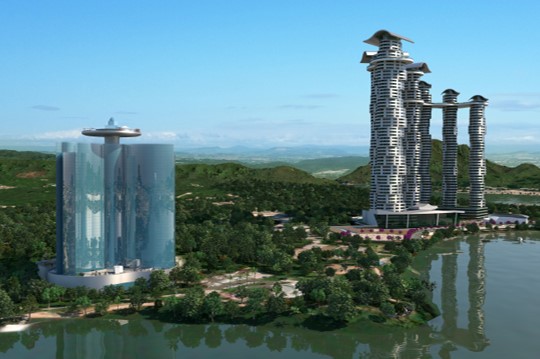
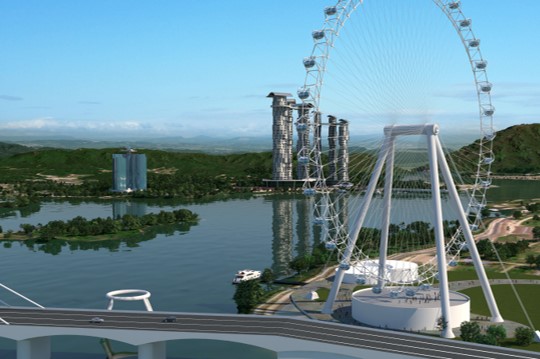
For waterfront developments in particular, integrating architecture with the surrounding landscape helps maximise views, improve accessibility and create memorable experiences for residents and visitors alike.
Delivering Complete Urban Visions
One of the greatest advantages of appointing a practice capable of both master planning and architectural design is the continuity it provides throughout a project.
When the same team develops the strategic vision and designs the key buildings, there is greater consistency between the original concept and the completed development. This integrated approach ensures that individual structures, public spaces, infrastructure and landscape design all contribute towards a shared vision.
At Saloria Architects, we believe that successful cities are created through this holistic approach. By combining strategic master planning, architectural innovation and sustainable design principles, we help create destinations that are economically successful, environmentally responsible and culturally meaningful.
As cities continue to evolve and expand, the role of master planning becomes increasingly important. The developments that will define the future are those that bring together people, place, culture and sustainability within a single, integrated vision—creating urban environments that can thrive for generations to come.
Project Gallery